

Types of ADHD Tests
Testing is the best method to obtain an accurate diagnosis, regardless of whether you are a parent or sufferer of ADHD symptoms. There are a variety of tests to choose from in conjunction with several types to complete a thorough evaluation.
Doctors frequently use computer programs called continuous performances tests (CPTs), to assess attention and impulsivity. To find out if there are any abnormalities and brain disorders, they also conduct brain scans.
Behavioral Tests
The Behavioral tests are essential in determining ADHD. testing for adhd assist in assess a person’s performance on a daily basis, their social behavior and functioning. They can also provide the individual a better understanding of his or her symptoms and treatment options.
There are various types of tests that can be used to achieve this goal. The FDA-approved computerized test, the Test of Variables of Attention ("TOVA") is one of them. This type of test can test a person's ability to focus on details, pay attention and manage impulses.
Another test, dubbed the QbTest utilizes motion tracking analysis to determine if someone has ADHD. It can also be used to evaluate the effectiveness of medications as well as neurofeedback training.
These tests are not accurate in determining ADHD symptoms. They can also be misinterpreted by individuals who suffer from other ailments such as dyslexia and brain injuries. This could lead to poor treatment and the need for a diagnosis.
One of the problems with these tests is that they're designed to test the response time of a person during a boring, repetitive task. This can be a problem for those who are not attentive or has ADHD coupled with hyperactivity and impulsivity.
adult adhd test could be due to ADHD sufferers struggle to focus on the task at hand, especially if it involves a lot information. testing for adhd could result in a person missing important details that can impact their performance at work or at school.
If you're unsure whether or if you suffer from ADHD and are unsure, the World Health Organization* has created an online self-screening exam that can be used to determine whether you suffer from this condition. This test is very easy to complete and can be an excellent starting point for assessing your symptoms.
These tests aren't the only ones healthcare professionals use to diagnose ADHD. Many also use psychological and behavioral testing methods to determine the best path for treatment. These tests include teacher and parent rating scales, a social skills questionnaire, and various other tests to measure learning disabilities or other issues that could mimic the symptoms of ADHD. These tests can help your doctor identify co-existing disorders like depression or phobias.
adult adhd test is crucial to get checked if you're told that you might be suffering from ADHD. adhd test will allow you to determine whether it is a valid diagnosis or if there are any other causes for your symptoms.
Psychological tests are used for evaluating various cognitive and behavioral disorders, including ADHD. They can also be used to determine if a person has learning difficulties that affect their everyday functioning.
The American Psychiatric Association (APA) has specific guidelines to diagnose ADHD in the Diagnostic and Statistical Manual of Mental Disorders, Fifth Edition. These include having several inattentive or hyperactive-impulsive symptoms that have been present prior to age 12 and have caused significant impairment in two major settings of a person's life.
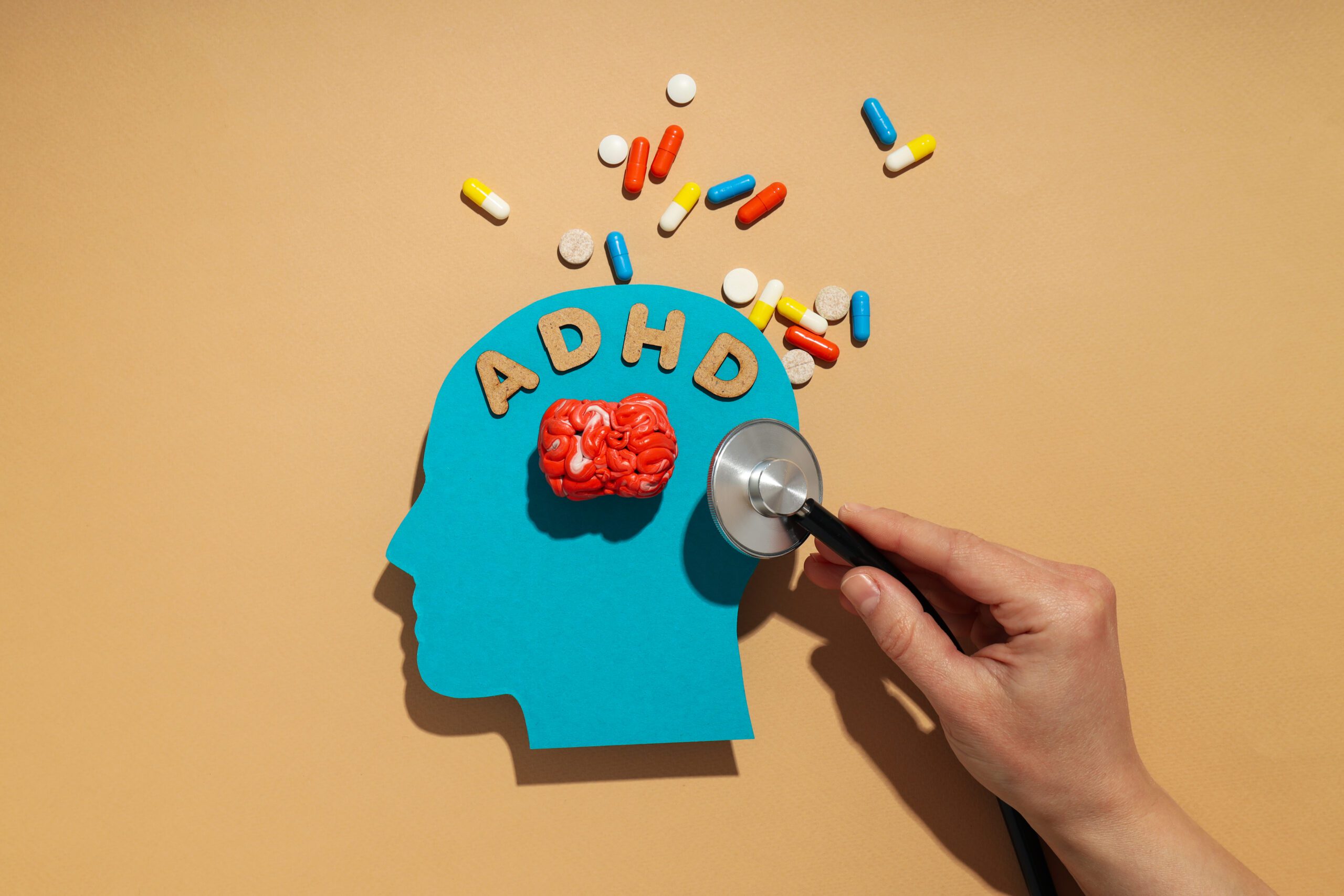
A medical professional can diagnose ADHD in certain patients without the need for psychological testing. However most patients will need a thorough evaluation in order to rule out any other conditions that may mimic the symptoms of ADHD and can complicate treatment.
A typical ADHD psychological evaluation entails an in-person assessment. It covers everything from the patient's developmental and medical history to their psychiatric, as well as family history. The psychologist will likely seek out close family members and ask them to complete the standardized behavioral surveys.
The test usually lasts around one hour. It includes an initial diagnostic interview, a standard behavior survey , and a series of tests to determine if there are other conditions that can mimic the signs of ADHD.
A licensed psychiatrist, pediatrician or clinical psychologist should conduct the test. They must have experience treating patients suffering from attention deficit/hyperactivity disorder. A trained clinical professional can assure that the results of the test are reliable and are not misleading. A trusted practitioner can provide a written summary to the person taking the test and their families.
Physical Tests
Attention deficit hyperactivity disorder (ADHD) can't be diagnosed using physical tests, like blood tests or X-rays. ADHD is diagnosed by medical professionals who use an evaluation process.
The first step of an assessment is to collect information from the patient's medical records as well as the family history. This will help the doctor determine how much the patient is affected by the symptoms of ADHD and what is the reason behind them. This also allows the doctor to determine if there are any other medical or psychiatric disorders that may cause similar symptoms.
The mental health professional will inquire about the person's personal family, personal, and work history. They will also examine any other factors that might be contributing to ADHD symptoms.
When the doctor has enough information to establish a diagnosis, he or will recommend further testing and a thorough medical exam. This could include a physical, psychological and blood test.
Some mental health professionals possess specialized skills to conduct these tests. They will ask you to answer a series of questions regarding your medical background, schoolwork, family life and driving history, as well as alcoholism, drugs and other conditions that could be causing symptoms of ADHD. Broad-spectrum scales are also employed by mental health professionals to look for learning, social emotional, psychiatric and issues.
If the doctor believes that he has identified the root of the patient's problems A mental health professional will offer treatment. This could involve cognitive behavioral therapy or medication.
ADHD symptoms are difficult to differentiate between other psychiatric and physical problems. This is the reason it is so important to establish a definitive diagnosis. This allows for the best treatment for the particular problem that is causing the symptoms.
An official evaluation by an accredited mental health professional is required before a diagnosis of ADHD can be established. This could include a psychiatrist, neurologist, or family doctor. To ensure that the assessment is conducted in the most appropriate way it is crucial to select a professional with expertise and experience. Many community support organizations can also assist in finding professionals who are certified.
Family History
A family history of attention deficit hyperactivity disorder is an excellent place to begin, as it may help explain your child's behavior and provide insights into other possible causes. In the course of an assessment your doctor or mental health professional will keep notes on your child's behavior and ask questions about their family history.
They might also inquire about your child's academic performance and report cards as well as their behavior at home. They will be looking for any symptoms that are more likely to be due to a medical condition than ADHD and will want to know the medications your child is taking to make sure they're not causing any adverse effects.
Making a correct diagnosis is not an easy task. It is recommended to consult an expert in mental health who is familiar with the symptoms of other ailments and can use the right tests to diagnose you.
Your doctor or mental health professional will conduct a thorough analysis of your child's academic and behavior performance. They will take a variety tests to determine if you are suffering from an illness. They will test your child's reaction speed in focus and concentration as also their memory and ability to perform tasks efficiently and quickly.
These tests are the most crucial element of your doctor's or mental health professional's treatment plan. A combination of therapy, medications and/or special educational strategies can frequently improve the symptoms of your child and increase the quality of their life.
Knowing the advantages of each medication can go a long distance towards deciding on the best choice for your child. There are many options, including decongestants and stimulants, as well as calming medications.